
Loading...
Serving Longview, TX and surrounding areas. (430) 267-1851
Bumps, stains, old coatings, and rough spots mean nothing new will stick. We grind your slab flat, clean, and ready so the next coating or sealer actually lasts.
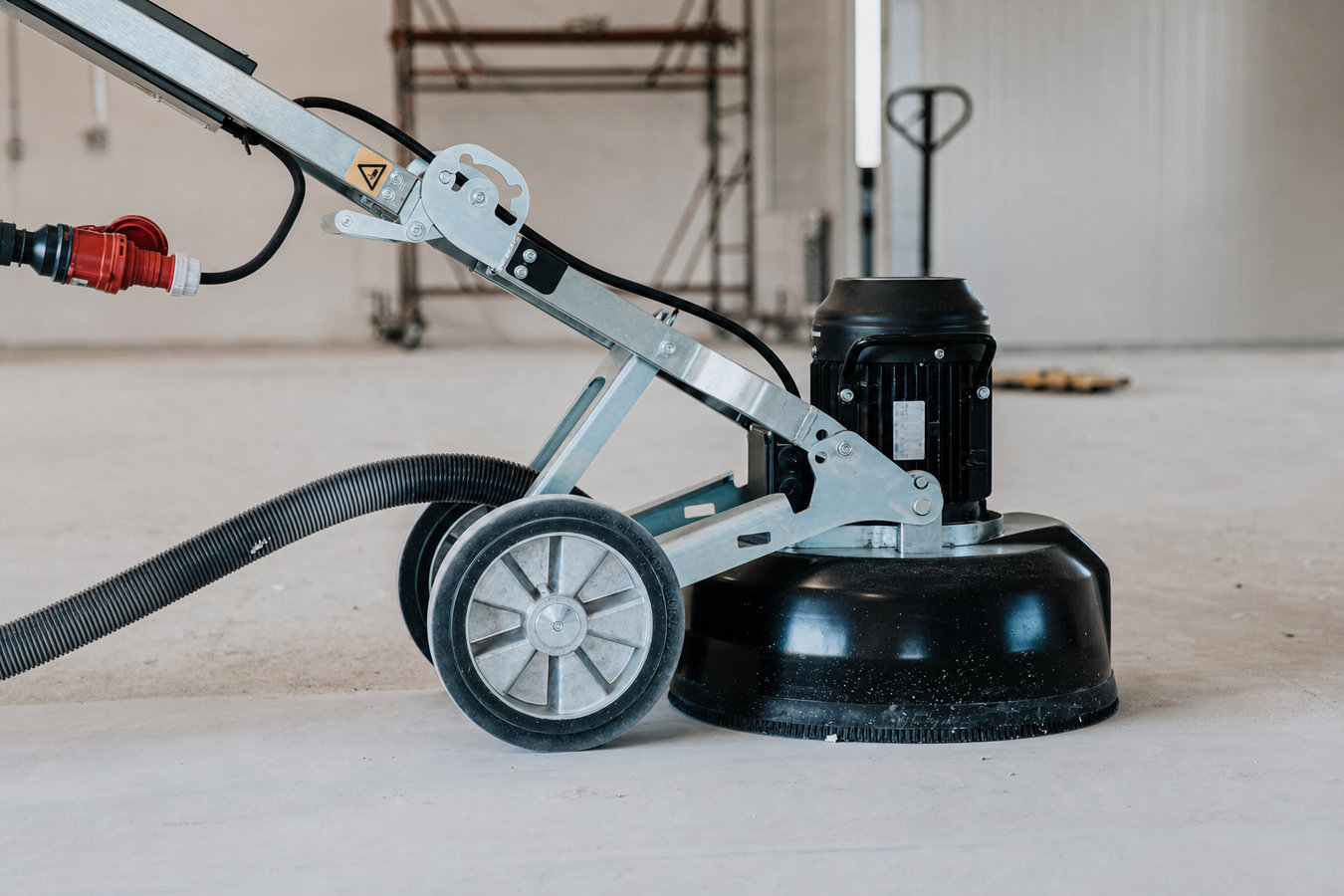
Concrete grinding in Longview uses diamond-tipped equipment to shave the top layer of your slab - removing bumps, stains, old coatings, and rough patches - and most jobs for a standard garage or shop floor take one day.
Coatings applied to an unprepared surface do not bond at a deep level. They sit on top and peel within months. Grinding opens the concrete so the new material has something solid to grip. If your floor has oil stains from decades of vehicle parking, rough spots from clay soil movement, or layers of old paint that will not clean up, grinding is the fix that makes everything else work.
Surface prep is the step that most homeowners do not see, but it is the one that determines whether a coating lasts ten years or ten months. If you are also planning a concrete sealing job after grinding, proper prep is what makes that seal hold through East Texas heat and rain.
If you feel bumps or dips when you walk across your garage or shop floor, the slab has likely shifted or settled unevenly. In Longview, this is common because the clay soil underneath expands and contracts with the seasons, gradually pushing parts of the slab up or letting others sink. Grinding levels those high spots and creates an even surface again.
If your floor has old paint that is flaking, adhesive residue from removed tile, or a rough texture that will not clean up, it needs to be ground down before anything new will stick. Applying a new coating over a poorly prepared surface is one of the most common reasons epoxy and paint jobs fail within a year or two.
Years of vehicle parking, lawn equipment storage, or workshop use leave stains that no amount of scrubbing will remove. Grinding physically removes the top layer of the concrete along with the stain, leaving a clean surface underneath. This is especially common in Longview homes with older detached garages or shop buildings that have seen decades of use.
Some older concrete floors were finished with a very smooth texture that becomes dangerously slick when wet. If your garage, patio, or shop floor feels slippery after rain blows in or after mopping, grinding can add a controlled texture that gives you better traction. This is a practical safety fix, not just cosmetic.
We grind residential and commercial slabs throughout Gregg County using professional diamond equipment - not hand-held tools or worn-out rental machines. Every job uses a vacuum system that captures dust at the source, so your garage, shop, or interior space stays manageable during the work. After grinding, the floor is inspected for cracks that need patching and checked for moisture before any coating goes down. If you are planning concrete sealing as the next step, we make sure the profile is right so the sealer bonds and does not peel.
For floors with heavy contamination, thick old coatings, or multiple layers of adhesive, we pair grinding with concrete floor stripping and removal to clear the surface completely before the grinding pass. That combination handles the worst floors - decades-old shop buildings, garages with layers of paint going back to the 1970s, and slabs that have had tile or carpet adhesive ground in over time. We tell you upfront if your floor needs that extra step, and we include it in your written estimate before any work starts.
Best for homeowners who want a clean, flat slab ready for a coating or sealer - removes rough spots, light stains, and old surface finishes.
For floors with thick old paint, epoxy, or tile adhesive - uses heavier grinding passes to clear the surface down to bare concrete.
Suited for slabs with raised edges, settled sections, or uneven transitions that cause trip hazards or drainage problems.
Dust-controlled grinding for basements, utility rooms, or converted spaces where keeping the mess contained is just as important as the prep itself.
Longview sits on expansive clay soil that swells when it gets wet and shrinks when it dries out. That constant movement is one of the main reasons concrete slabs in this area develop cracks, uneven spots, and raised edges over time. When you are getting a floor ground and prepped, a good contractor will assess whether the unevenness is purely surface-level or whether the slab itself has shifted - because grinding can fix the surface, but it cannot fix a slab that is still moving. Many homes in older neighborhoods served by areas like Kilgore and Henderson were built in the 1960s through 1980s - and those slabs have had decades to absorb stains and develop surface wear that basic cleaning cannot address.
Longview also has a strong manufacturing and industrial heritage, and it is not uncommon for homeowners here to be working with old shop buildings, detached garages, or converted commercial spaces. Those floors often have oil stains, heavy equipment marks, or decades of grime ground in - all of which require more aggressive surface preparation than a typical residential garage. Scheduling also matters in East Texas: hot, humid summers affect how coatings bond to freshly ground concrete, so spring and fall are generally the best windows for full prep-and-coat projects here.
We respond within one business day. We will ask about your space and what you want to do with it afterward - garage, shop, patio, or interior room. Most jobs require an on-site visit before we give a firm price, because the condition of your slab drives the cost more than square footage alone.
We walk the floor and look for things you might not have noticed - low spots, cracks that go deeper than the surface, old coatings that need to come off first. You get a written estimate that breaks down what the job actually involves, not a single number with no explanation.
Our equipment uses vacuum systems that capture most dust at the machine before it spreads. We work in overlapping passes across the floor, similar to mowing a lawn, and do a final walkthrough with you before packing up. A standard garage typically takes one full day.
After grinding, we sweep and vacuum the floor thoroughly and inspect for any missed areas. We will walk you through what the floor needs next - whether that is a sealer, a coating, or just time to dry - and give you a clear timeline for when the space can be used again.
Free written estimate - no obligation, no sales pitch. We reply within one business day.
(430) 267-1851We use professional-grade diamond grinding equipment on every project - not worn rental machines. That means a consistent surface profile across the whole floor, which is what coatings and sealers need to bond correctly.
We use vacuum-shrouded grinders that capture most concrete dust at the machine - a practice backed by OSHA guidelines on respirable silica dust for indoor work. This matters especially in garages, basements, and converted shop spaces where fine dust settles on everything.
Gregg County clay soil means slabs here shift more than in drier parts of Texas. We assess whether unevenness is a surface issue or a slab movement issue before grinding, so you know exactly what the job will and will not fix. We have worked on slabs across the Longview area for years.
You get a detailed written quote that breaks down prep, crack repair, and the grinding work separately. No surprises on the invoice and no pressure to approve work that was not in the original scope. What we write down is what you pay.
Proper surface preparation is the difference between a coating that lasts a decade and one that peels by spring. Every one of these proof points shows up in the finished result.
The natural next step after grinding - sealing locks out moisture, stains, and UV damage so your freshly prepped slab stays protected.
Learn MoreFor floors with thick old coatings, tile adhesive, or layers of old paint that need to come off completely before grinding can begin.
Learn MoreSpring and fall booking slots fill fast in East Texas - call now or submit an estimate request online to lock in your date.