Loading...
Serving Longview, TX and surrounding areas. (430) 267-1851
A peeling, sticky, or failed floor surface cannot simply be painted over. We strip concrete floors in Longview down to bare, clean concrete so whatever goes on next actually bonds and lasts.
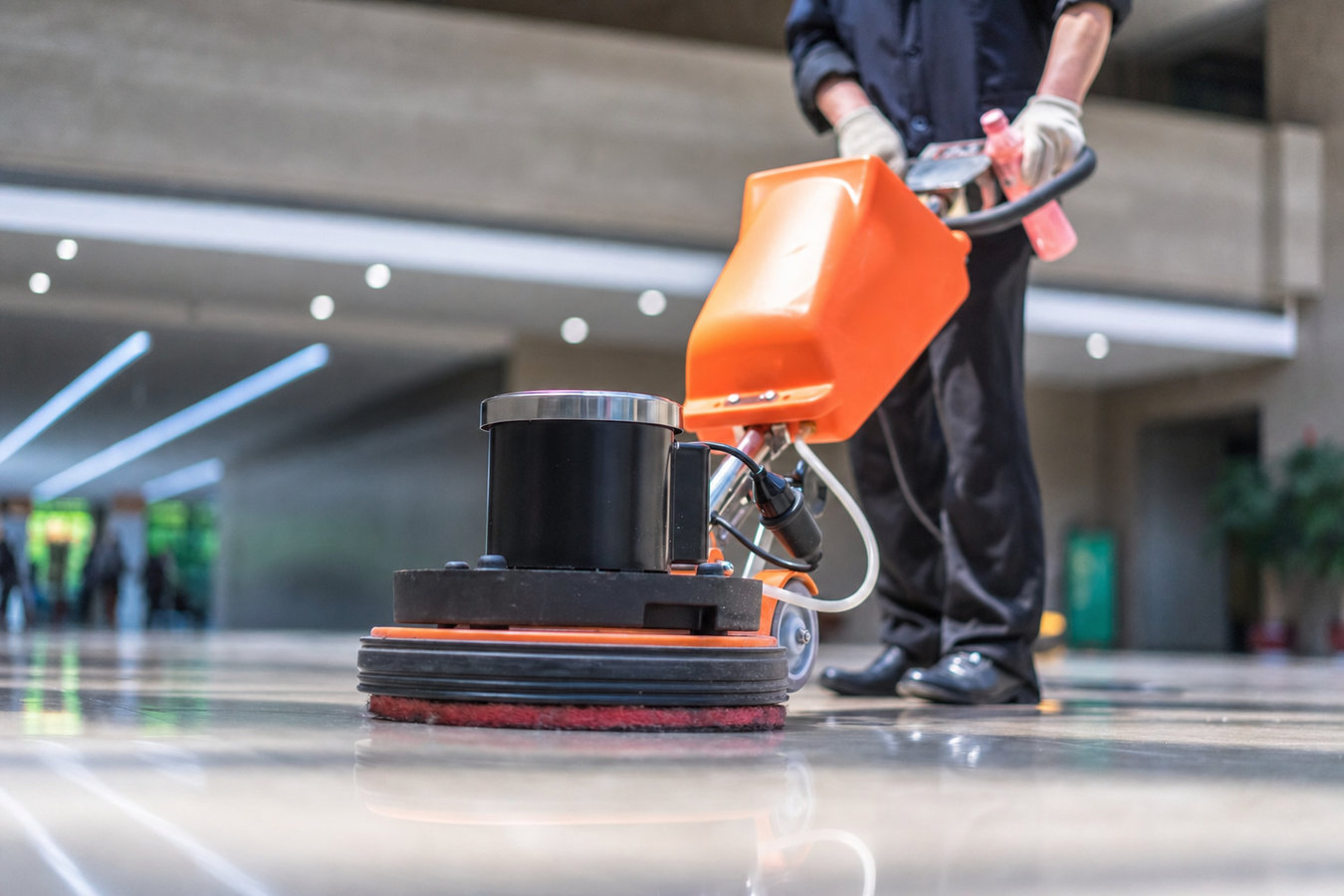
Concrete floor stripping in Longview is the process of mechanically grinding or scarifying an existing floor surface to remove old coatings, adhesives, paint, or failed finishes - leaving behind clean, bare concrete that new finishes can bond to properly, with most standard garage and basement jobs completed in one to two days.
Stripping is almost always a preparation step, not a finished product. If your garage or basement floor has a peeling coating, sticky tile residue, or a surface that a new finish simply will not adhere to, stripping is what clears the slate. Applying a new layer over a failing one is one of the most common reasons floors peel again within a season or two - the bond is only as good as what it sticks to.
After stripping, you have options. Many homeowners choose a new epoxy floor coating once the slab is bare and clean. The bare concrete created by a thorough strip is also the starting point for polished finishes, staining, and decorative overlays - each of which requires a properly profiled surface before anything else can happen.
If you walk into your garage or basement and see sections where the floor surface is lifting, bubbling, or coming off in chips, the existing coating has failed. Applying a new layer on top of a failing one is one of the most common - and expensive - mistakes homeowners make. The only real fix is to strip the old coating down to bare concrete and start fresh.
In Longview, the clay soil under homes expands and contracts with the seasons, and that movement shows up as cracks that slowly widen. If you have noticed a crack that was hairline a year ago and is now clearly wider, the slab has moved. A contractor can strip the area, evaluate the crack properly, and tell you whether it is cosmetic or needs repair before a new finish goes down.
When old vinyl tile or linoleum is pulled up, it almost always leaves behind a layer of black or yellow adhesive that is nearly impossible to remove by hand. That residue has to be mechanically ground off before any new flooring - epoxy, stain, or tile - will bond properly. If your floor looks patchy and sticky after a flooring removal, stripping is the next step.
Because Longview gets so much rainfall and the humidity stays high, moisture pushing up through a concrete slab is a common problem here. If you notice a damp smell in your garage or basement, or you see white powdery deposits on the floor, moisture is working its way through the concrete. Stripping the floor lets a contractor properly assess the moisture situation and apply a treatment that actually seals it rather than trapping it underneath.
We handle concrete floor stripping for garages, basements, utility rooms, commercial spaces, and any interior floor that needs its existing surface removed before something new goes down. The machine choice matters - we match the right grinder, scarifier, or shot blaster to your specific floor rather than using a one-size-fits-all approach, because the right machine leaves a cleaner, more even surface that new finishes bond to reliably. Dust containment is standard on every job: we seal off doorways with plastic sheeting and attach vacuum systems to our machines so the mess stays in the work area and out of the rest of your home.
Before any grinding starts on older homes, we ask the right questions about the floor's history - because homes built before 1980 in Longview and the surrounding area sometimes have materials that need careful handling before a machine touches them. We also test for moisture in the slab before recommending any new finish, which is especially important in East Texas where high humidity means slabs hold more moisture than they appear to on the surface. For projects that combine stripping with a full surface profile and repair, our concrete grinding and surface preparation service handles the mechanical prep from strip to finished profile in a single scope of work.
For garage, basement, and commercial floors where an existing coating has failed or where a new finish needs a clean bond - mechanically grinding away the old surface layer down to bare concrete.
For floors where old vinyl tile or linoleum has been removed and left behind sticky residue - grinding off the adhesive layer so new flooring or a concrete finish can bond without lifting.
For homeowners planning a new epoxy coating, polished concrete, or decorative stain - stripping and profiling the slab creates the mechanical bond that makes those finishes last.
For garage conversions, basement finishes, or utility room updates where the existing floor needs to be cleared and assessed before the renovation can move forward.
Longview sits on heavy clay soil - the kind that swells when it rains and shrinks during dry spells - and East Texas gets around 47 inches of rain a year. That constant soil movement puts stress on concrete slabs, which is why cracking and surface deterioration are so common in established Longview neighborhoods. Many homes here were built in the 1950s through 1970s, and their original floors have had decades of East Texas summers and ground movement to show the effects. Homeowners in areas like Gladewater and Henderson deal with the same soil conditions and see the same patterns of failed coatings and cracked surfaces that require stripping before any new finish will hold.
The moisture situation in Longview adds another layer that out-of-area contractors often underestimate. With high annual rainfall and humidity that stays elevated for most of the year, concrete slabs here often hold more moisture than they appear to on the surface. Applying a new coating over a slab that is actively wicking moisture is one of the most common causes of early coating failure in East Texas. Stripping a floor also creates the opportunity to test moisture levels properly and address them before anything new goes down - skipping that step and going straight to a new coating is how floors end up peeling again by the following spring. The OSHA silica dust standard requires contractors to use wet methods or vacuum-equipped tools during concrete grinding work - a requirement that protects both the crew and your family during the stripping process.
Tell us the size of the area, what is currently on the floor, and what you want it to look like when the job is done. Most reputable contractors in Longview schedule an in-person visit before giving a price, because the condition of the existing floor makes a real difference in how much work is involved. We respond within 1 business day to schedule that visit.
During the visit, we look at the floor closely - checking for cracks, testing for moisture, and identifying what the existing coating is made of. If your home was built before 1980, we ask about the floor's history because older materials sometimes require specific handling before grinding begins. You leave this visit with a written quote and a realistic timeline.
Before the work day, you clear the room completely - move vehicles out of the garage, remove shelving, and take out anything stored on the floor. We tell you exactly what needs to be cleared when we give the estimate. Doing this the day before keeps the project on schedule and avoids delays on the job day.
The crew sets up dust containment before starting - plastic sheeting over doorways and vacuum systems on the machines. The grinding typically takes most of the day for a standard space. At the end, we walk the floor with you and check for any spots that feel or look uneven. That walkthrough is the right moment to raise concerns - before the crew packs up and leaves.
Free on-site estimate. Written quote before any work starts. No pressure.
(430) 267-1851Concrete grinding creates fine dust that can spread through your HVAC system and into rooms far from the work area. We use vacuum-equipped machines and seal doorways with plastic sheeting on every job - not just when a customer asks. You should be able to walk back into your home the same evening without finding grit on surfaces across the house.
Longview's high annual rainfall and clay-heavy soil mean concrete floors here often hold more moisture than they look like they do. We test every stripped slab for moisture before recommending a new coating. Skipping that test is how floors end up bubbling and peeling again within a year - and we have seen that happen enough times to make it a non-negotiable step.
If your Longview home was built before 1980, we ask about the floor's history before anyone starts a machine. Older materials in some homes require specific handling before grinding begins. Asking those questions upfront protects you, our crew, and keeps the job compliant. A contractor who skips that conversation on a pre-1980 home is taking a risk that should not be yours.
Some homeowners come in thinking they need a full slab removal when all they really need is a surface strip. Some expect a simple job when the floor has bigger issues underneath. Either way, you get an honest assessment of what the floor actually needs - not a pitch for the most expensive option. In Longview, where local reputation matters, giving you the right answer is how we stay in business.
These specifics reflect the real conditions of working on concrete floors in Longview - the moisture, the soil movement, the older housing stock, and the humidity that catches out-of-area contractors who do not plan for it. Together, they describe a job done right the first time.
The most popular next step after a stripping job - a properly stripped slab is exactly what epoxy needs to bond correctly and deliver a long-lasting finish.
Learn MoreFor floors that need a full mechanical profile after stripping - grinding prepares the slab texture that coatings, stains, and polished finishes require to adhere.
Learn MoreCall us today or submit the contact form for a free on-site estimate. A clear, stripped slab is the foundation every good floor finish depends on.